 Reviews



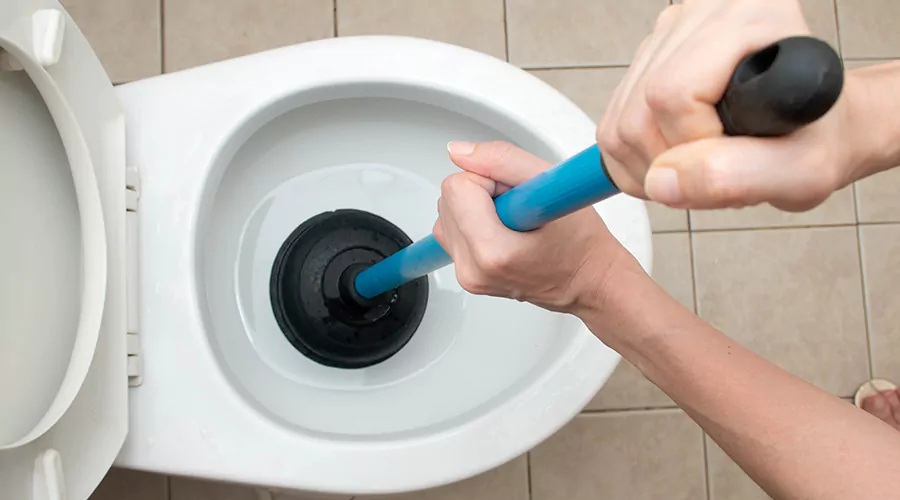
A clogged toilet can often be cleared in less than 30 minutes, while a toilet clog that needs toilet repair can cost about $85 to $600 in 2026. The safest first move is to stop flushing. Most simple blockages respond to the correct plunger technique before stronger methods are needed.
Knowing how to unclog a toilet also means knowing when not to keep pushing a blockage farther into the drain. A rising bowl needs a different response from a toilet that drains slowly.
The goal is simple. Stop an overflow first. Then clear the obstruction with the least aggressive method that works.
What Should You Do Before Trying to Unclog a Toilet?
If the bowl is rising, stop adding water before touching the clog. Close the toilet's shutoff valve or hold the tank flapper closed. Wait until the water level drops enough to work safely. Repeated flushing can turn a small blockage into an overflow.
- Put on rubber gloves before reaching near the bowl. Place old towels around the base if the water level sits close to the rim.
- Look into the bowl before using a tool. A visible toy or similar object should be retrieved rather than pushed farther into the trap.
- If the bowl contains too much water for safe plunging, remove some with a disposable container. Leave enough water to cover the plunger cup.
- An insider tip is to check the plunger itself. A flat sink plunger has trouble sealing against a toilet outlet. A flange-style model fits the opening much better.
How Does a Toilet Clog Get Worse?
A toilet clog usually progresses from slow drainage to partial blockage before becoming a complete stoppage. The biggest jump in risk occurs when another flush enters a bowl that cannot empty. That extra tank of water can push contaminated water over the rim and onto the floor.
Here is a practical progression.
| Clog Stage | What You See | Main Risk | Typical 2026 Cost Exposure |
|---|---|---|---|
| Early restriction | Slower flush than normal | Clog becomes tighter | $0 for simple DIY |
| Partial clog | Water rises then falls | Overflow after another flush | Low DIY tool cost |
| Firm obstruction | Plunger does not clear it | Object may be trapped deeper | $85 to $600 |
| Drain-line problem | Other fixtures react | Wastewater backup | Can exceed basic toilet repair |
The $85 to $600 range reflects current 2026 pricing for clogged toilet repair. A deeper main-line obstruction can cost more because different equipment may be needed.
Waiting can also make a soft blockage harder to move. Paper can compact inside the trap when repeated flushes press it against an existing obstruction.
What Are the Signs That a Toilet Is Seriously Clogged?
A toilet gives several clues about where the blockage sits. Watch how fast the water moves and what nearby fixtures do during a flush. A simple trap obstruction normally affects one toilet. Wider drainage problems often affect more than one fixture.
- The bowl rises close to the rim. Water cannot leave as quickly as the tank supplies it.
- Water drains very slowly. A partial obstruction is limiting the opening.
- The bowl stays unusually full. The blockage may be sitting inside the toilet trap.
- The water level drops unusually low afterward. Drain airflow or siphon behavior may be disturbed.
- A clogged toilet bowl returns after plunging. Part of the obstruction may still remain.
- You hear gurgling from another fixture. Air is being displaced somewhere else in the drainage system.
- The shower reacts when the toilet flushes. The restriction may sit beyond the fixture itself.
- The toilet backs up without a normal flush. Wastewater may be entering from farther down the line.
- A solid object was recently flushed. The object can lodge inside the curved trapway.
- Several toilets drain poorly at the same time. A shared drain or sewer line becomes more likely.
Multiple affected fixtures deserve more attention than an isolated slow flush because they can point to a blockage outside the toilet.
How Do You Unclog a Toilet With a Plunger?
A flange plunger is the first mechanical tool to try because it seals around the toilet outlet and moves water through the trap. Good technique matters more than extreme force. The plunger needs water around its cup and a tight seal throughout each stroke.
- First place the flange directly over the outlet.
- Angle the plunger slightly as it enters the water. This allows the cup to fill with water instead of air.
- Push down gently at first. The goal is to remove trapped air without splashing.
- Keep the seal intact. Work the handle through several controlled strokes.
- Finish with a stronger pulling motion. Pulling can help break the blockage apart instead of forcing it deeper into the narrowing trapway. This Old House specifically highlights the benefit of drawing a clog back toward the bowl.
- Wait for the bowl level to settle before testing.
Do not immediately send a full tank into a questionable drain. Add a small controlled amount of water first. Normal drainage is a safer sign that the obstruction has moved.
This method is usually the best way to unclog a toilet when ordinary waste or excess paper caused the problem.
What Can You Try Without a Plunger?
A soft paper blockage can sometimes loosen with hot water and liquid dish soap. The water should be hot rather than boiling because very hot water can damage porcelain. Give the mixture time to reach the obstruction before testing the drain carefully.
- Start only after the bowl level has dropped.
- Add liquid dish soap to the bowl.
- Next add hot tap water slowly. Do not use boiling water.
- Wait about 15 minutes.
- Watch whether the water level starts dropping normally.
This approach works best on soft organic material. It is much less useful when a toy or another solid item blocks the trap. Avoid improvising with sharp metal objects. Scratched porcelain is difficult to restore. A commercial toilet clog remover also needs careful label checking. Some products are designed for organic waste while other drain chemicals are not appropriate for toilets.
How Do You Use a Toilet Auger?
A toilet auger reaches deeper into the fixture than a plunger while protecting the porcelain better than an ordinary exposed drain snake. Use it when plunging does not move the obstruction. Turn the handle slowly when resistance appears rather than forcing the cable forward.
- Place the protective tube at the bowl outlet.
- Feed the cable through the trap.
- Rotate the handle while applying light forward pressure.
- Resistance can mean that the cable has reached the blockage.
- Continue rotating carefully.
- Then retract the cable.
The goal of snaking a toilet is either to break apart soft material or retrieve an object. Avoid using excessive force. The trapway has bends that can make resistance feel like a blockage even when the cable is touching porcelain. Once the cable comes out, clean it before storage.
When Should You Call a Professional?
Professional diagnosis makes sense when an auger cannot clear the toilet, several fixtures are backing up or sewage is appearing elsewhere in the home. These signs point beyond a routine trap clog. A professional can inspect deeper piping that household plungers and short augers cannot reach.
A 2026 clogged toilet repair generally runs about $85 to $600. The national average for broader toilet repairs is about $271. Main sewer clog work averages around $380 but severe cases can rise much higher.
Stop DIY work when:
- The clog returns immediately after clearing.
- More than one drain is backing up.
- A hard object cannot be retrieved.
- Wastewater enters a shower or tub.
- An auger repeatedly stops at the same depth.
- Sewage appears without anyone flushing the toilet.
A toilet plumber can separate a fixture blockage from a branch-drain problem. Camera inspection may be used when the obstruction is farther down the system.
How Can You Prevent Another Toilet Clog?
The strongest prevention rule is to flush only human waste and toilet paper. Wipes can stay intact long enough to catch inside household piping even when packaging uses the word flushable. Public wastewater agencies specifically warn that wipes can contribute to clogs and sewer backups.
- Use less paper per flush when practical.
- Keep a covered wastebasket beside the toilet for wipes.
- Watch children around open toilet lids because small objects can enter the trap easily.
- Pay attention when flush strength starts dropping. Early changes are easier to diagnose than a completely blocked bowl.
Check the tank if flushing becomes weak. Modern WaterSense toilets use no more than 1.28 gallons per flush while still meeting performance requirements. Low water use by itself does not mean the toilet should clog.
Keep the rim openings clear when mineral deposits become visible. Reduced water delivery can weaken the flush.
Conclusion
Knowing how to unclog a toilet starts with preventing an overflow and then using controlled pressure instead of repeated flushing. A flange plunger handles many ordinary blockages. A toilet auger reaches deeper clogs. Recurring backups deserve closer investigation because the problem may extend beyond the fixture. This week, check that your bathroom has the correct type of plunger before the next clog happens.
FAQs
These short answers cover situations that often come up after the basic clog has been cleared. They focus on testing and tool choice rather than repeating the unclogging steps above.
Can a toilet clog clear on its own?
A soft paper clog can break down while it sits. A solid foreign object will not dissolve and can remain trapped.
Can too much toilet paper clog a toilet?
Yes. A large amount can fill the trap faster than the flush can carry it away.
Is Drano safe for toilets?
Standard Drano for toilets should not be assumed safe unless the exact product label says it is designed for toilet use. Never mix drain chemicals.
Why does my toilet flush after sitting for a while?
The obstruction may be allowing water to pass slowly. That does not prove the drain is completely clear.
Does a stronger flush always prevent clogs?
No. Correct waste disposal matters as much as flush force. A solid object can block even a high-performance toilet.